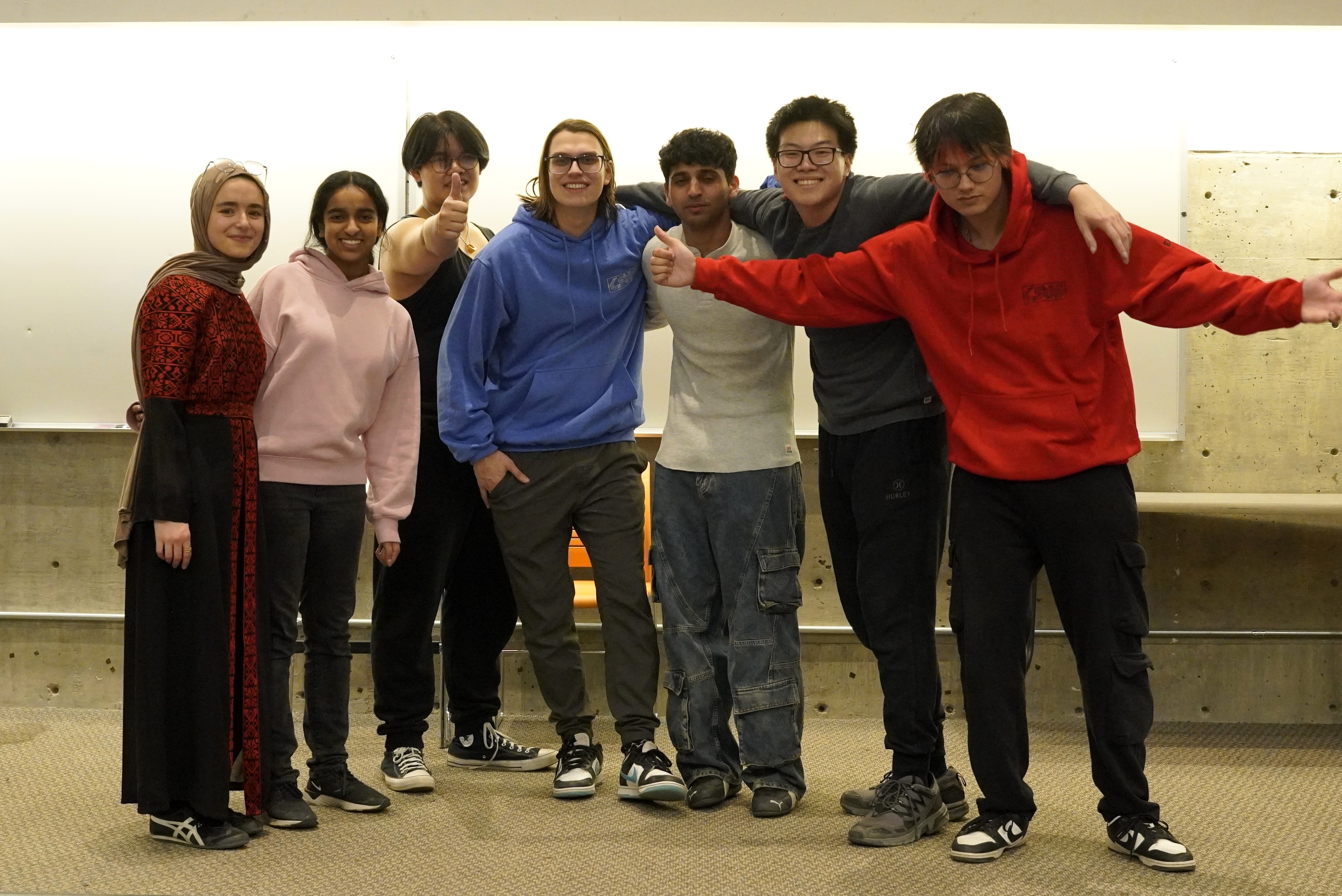
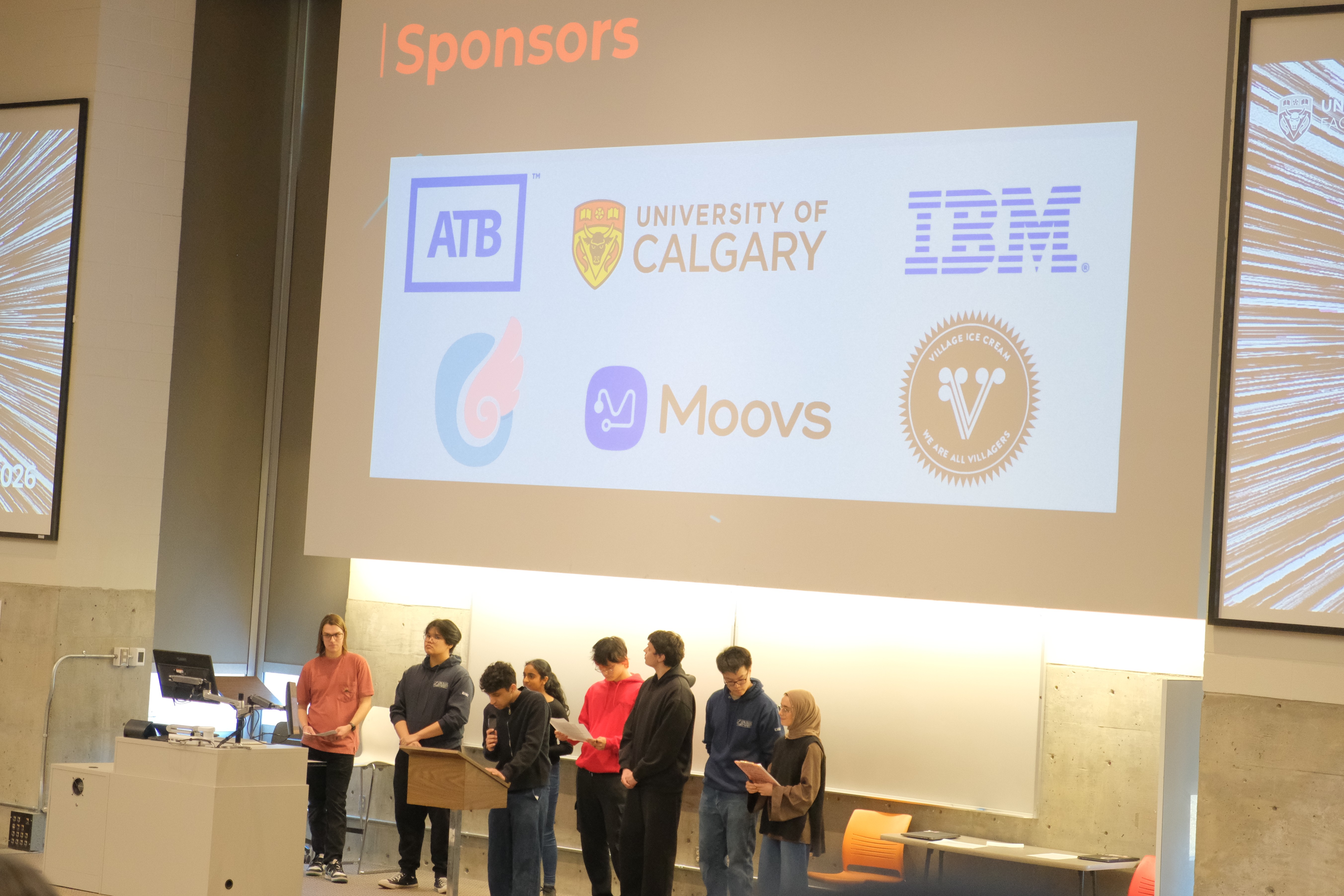
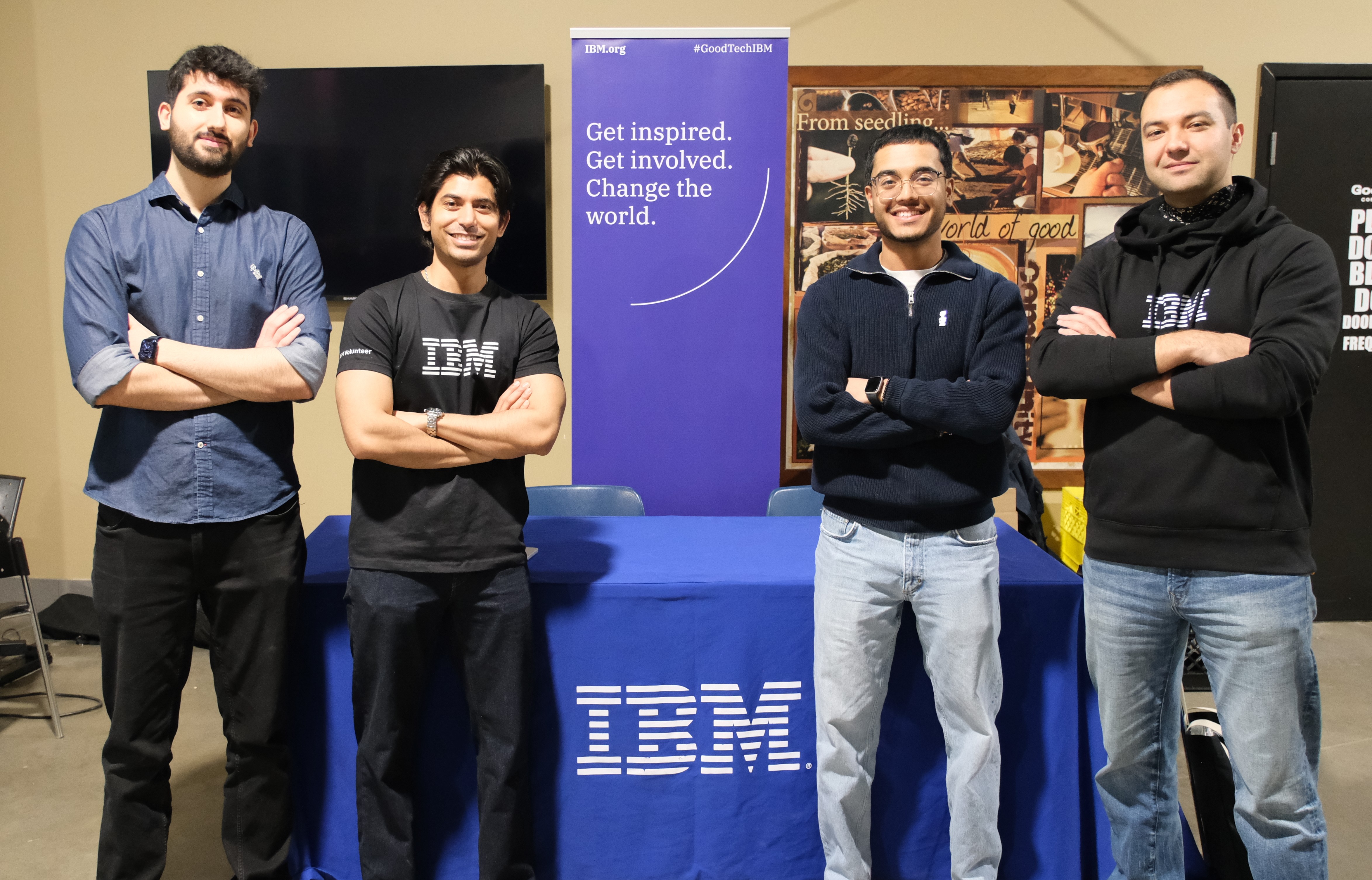
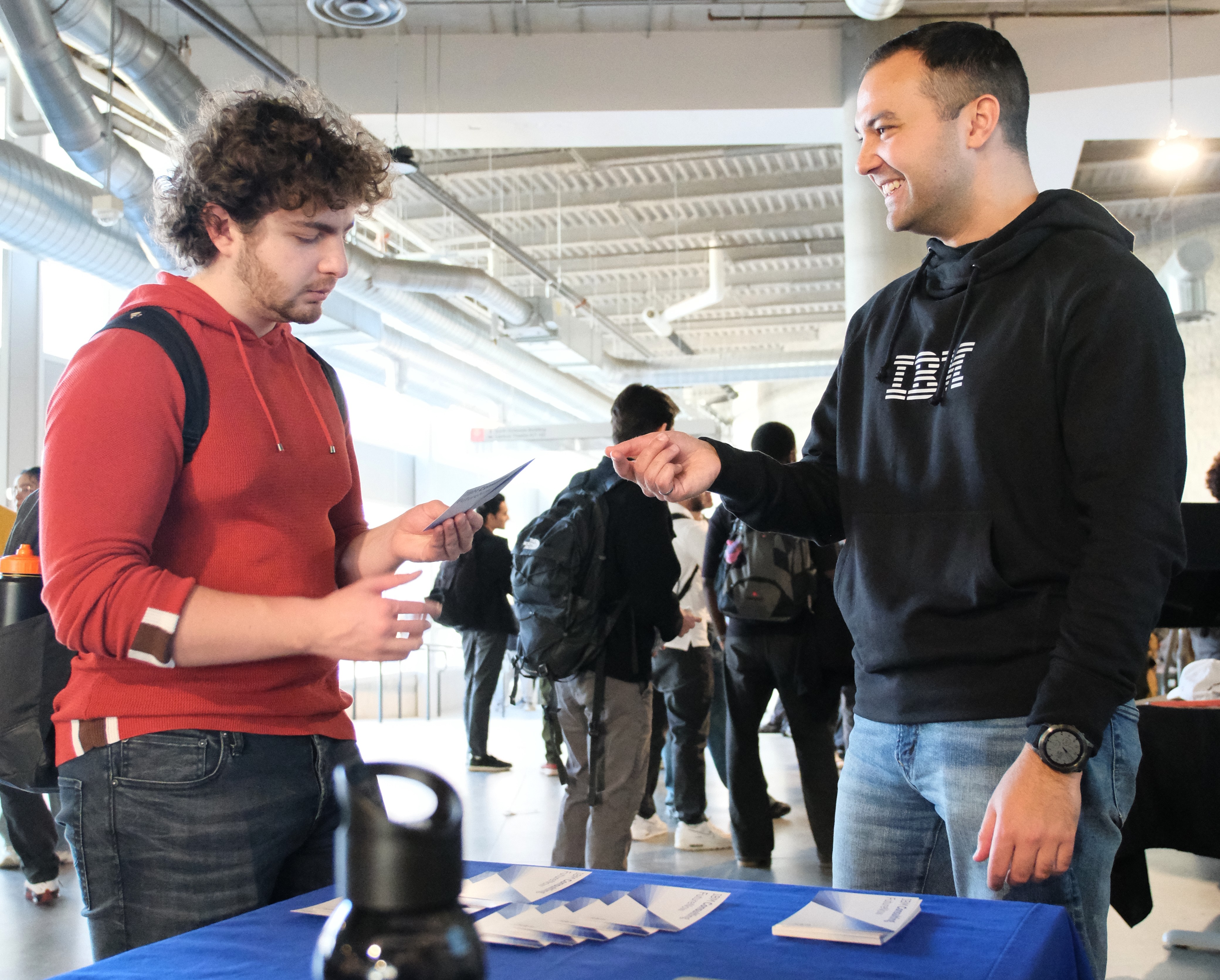
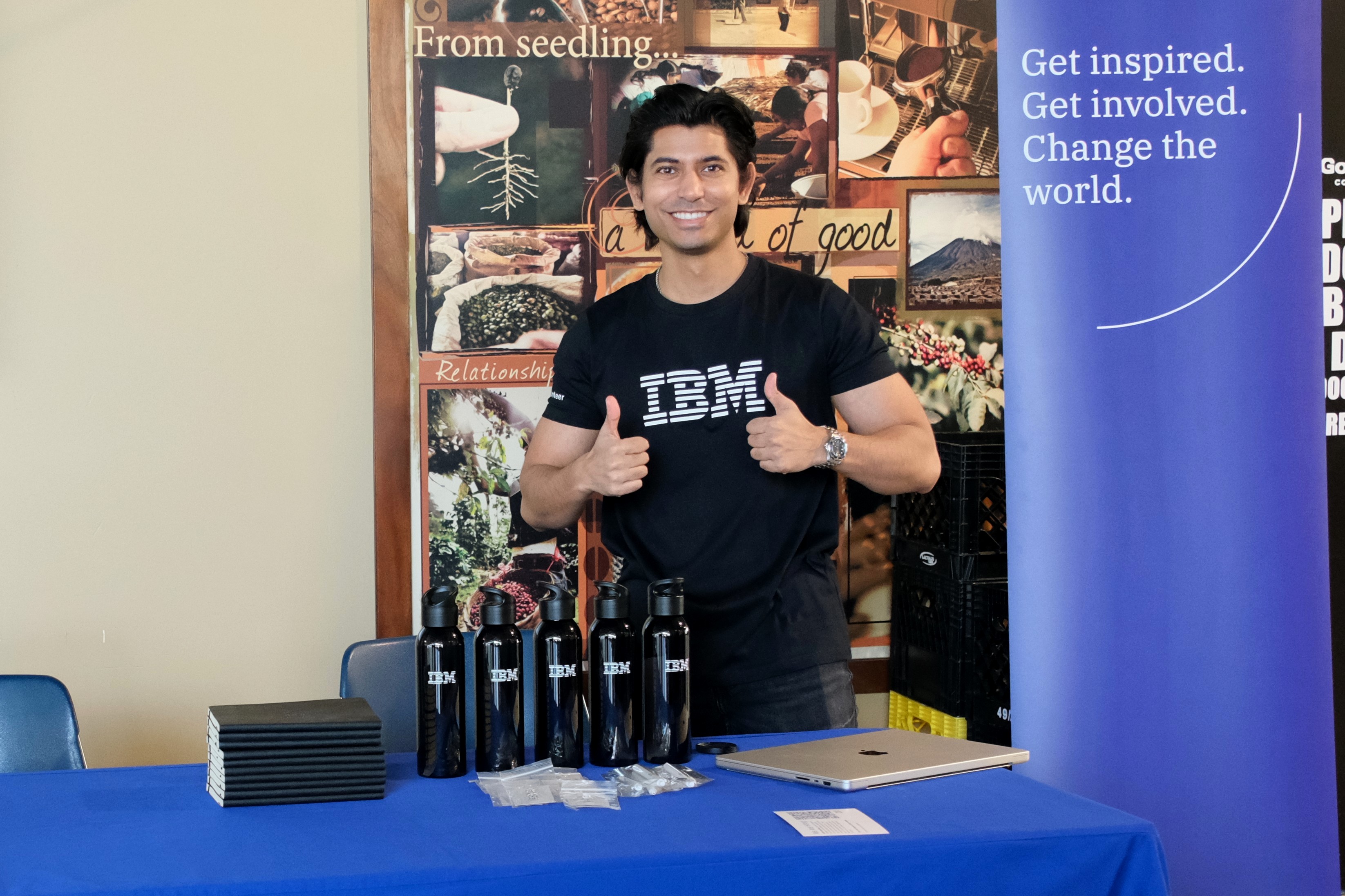
This past weekend, CSUS hosted their CalgaryHacks 2026 hackathon in the ICT building at the University of Calgary! I and several other IBMers attended to chat with students, run a workshop, and judge submissions. The atmosphere was vibrant, and I thoroughly enjoyed engaging with bright young talent at the booths, chatting on the event Discord, and asking challenging questions during the judging sessions.
A special thank-you to Shad Sajid who ran half the workshop and helped to organize. I greatly appreciate Mert Osoydan, Omer Syed, Sarah Syeda, Suchi Singh, and Vinayak Kumarall who came out to judge projects and run the booth on Day 2.
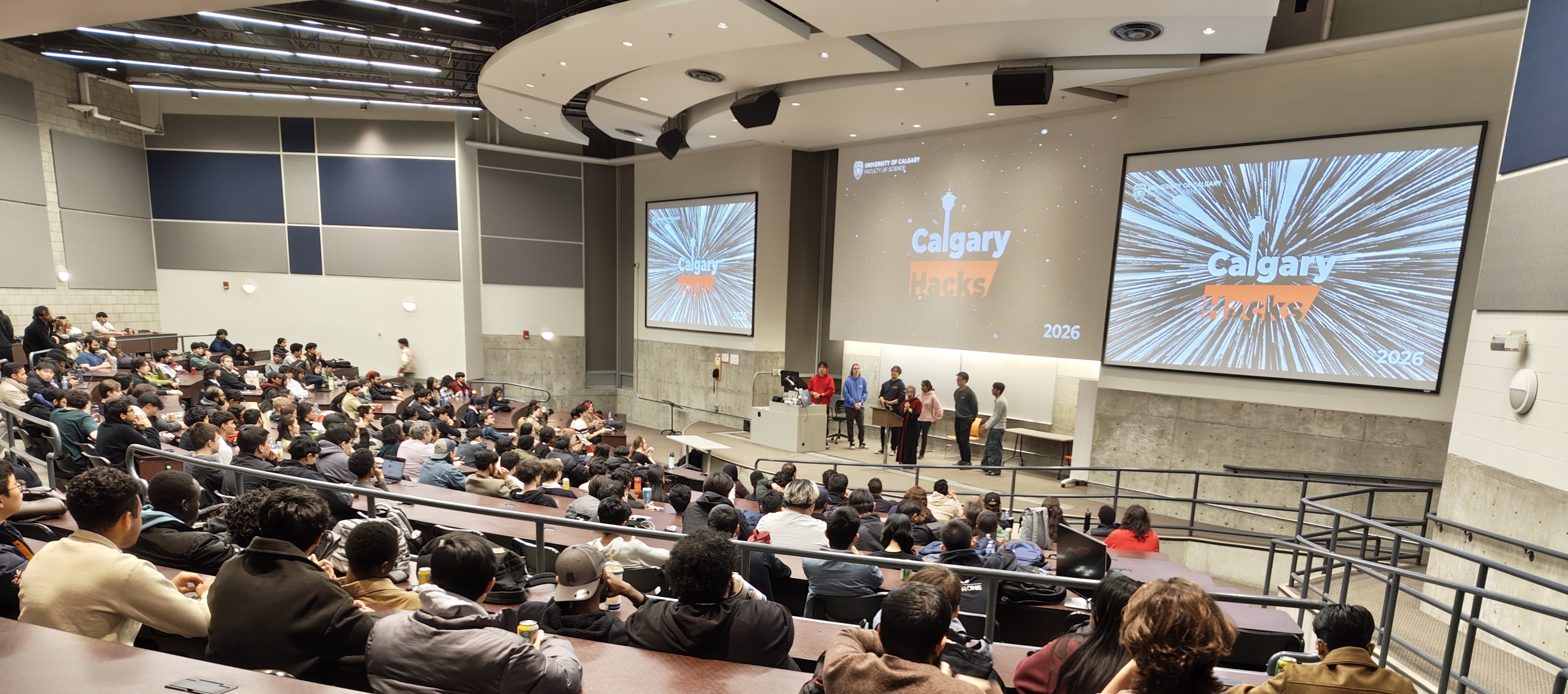
Day One: IBM watsonx.ai Workshop
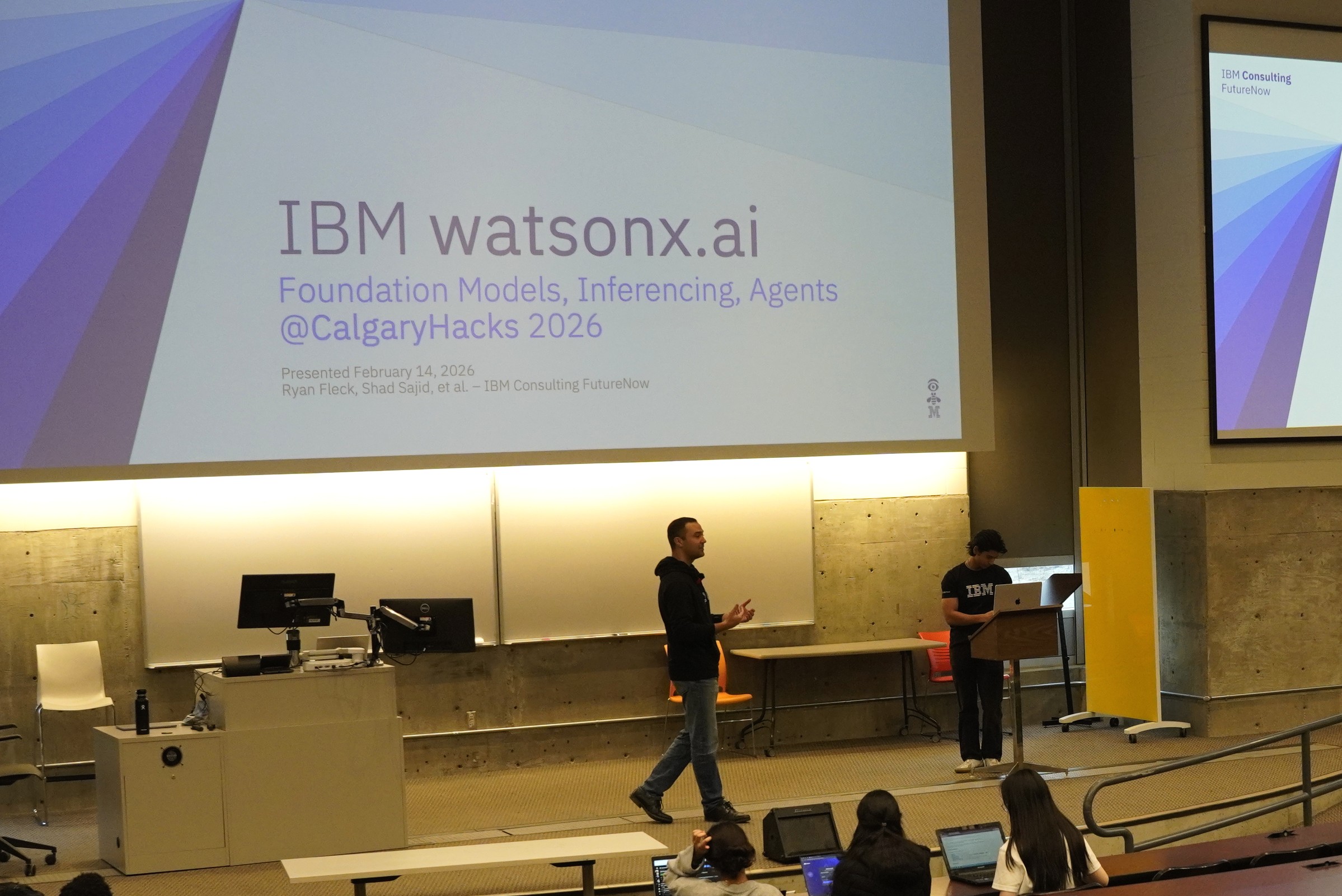
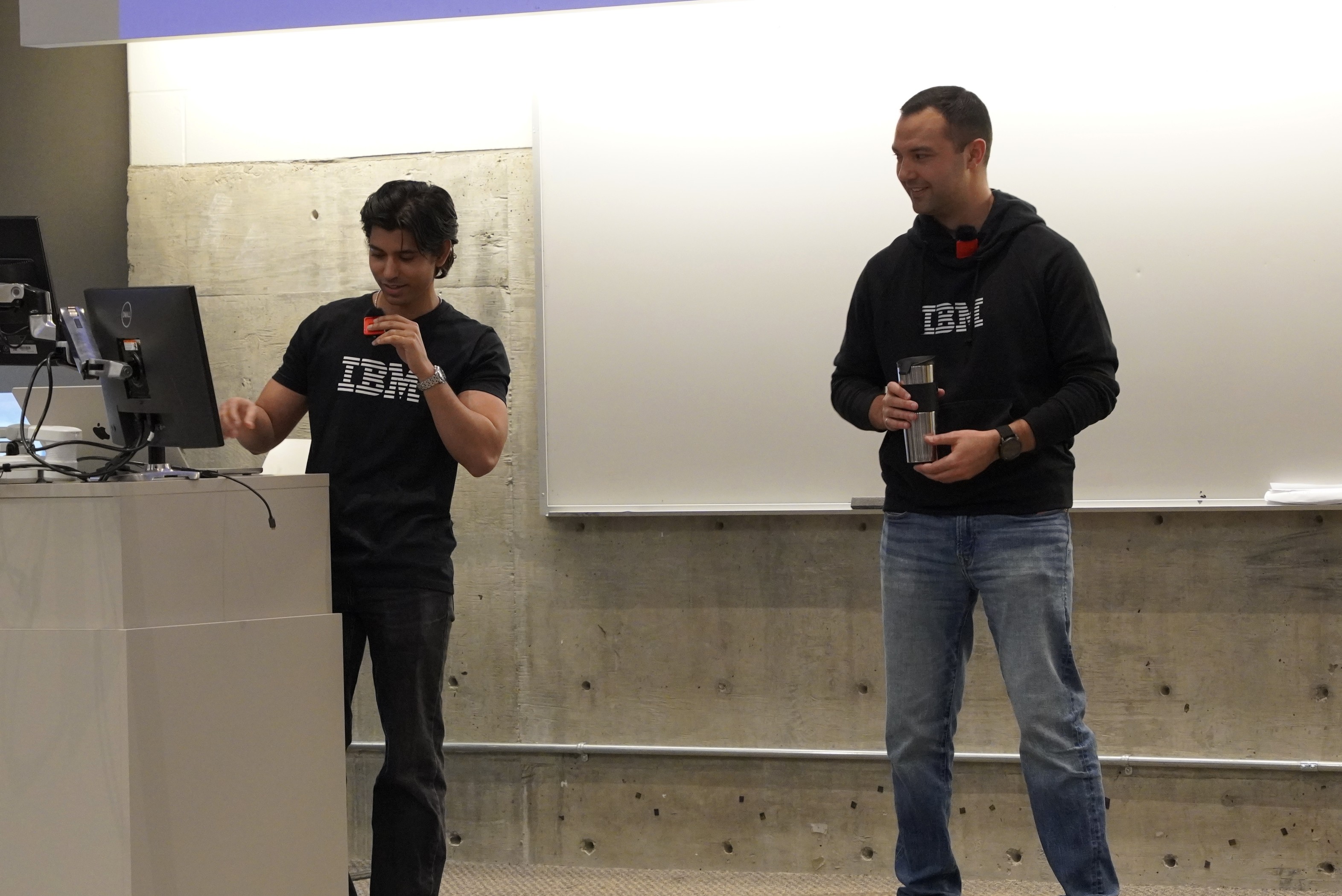
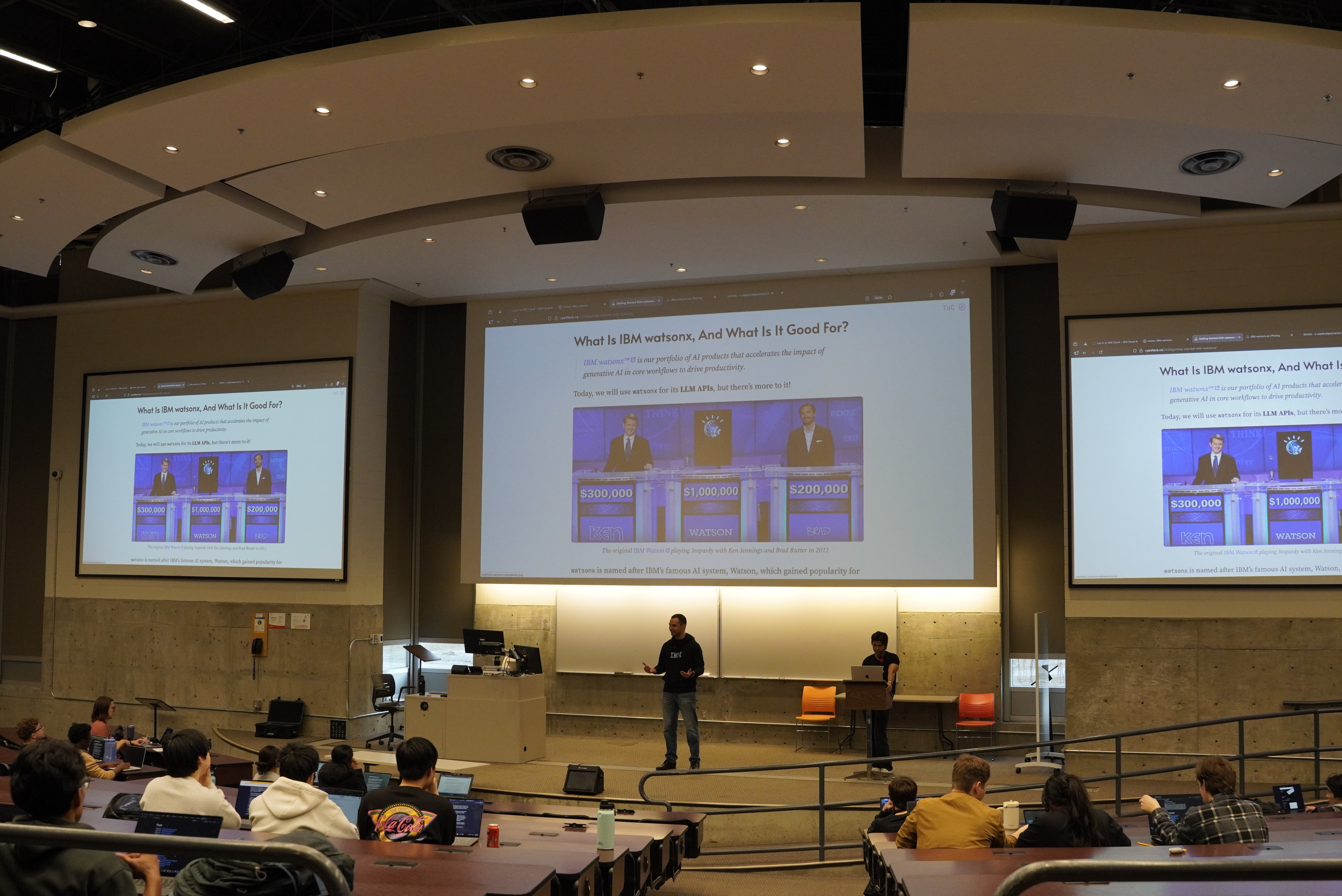
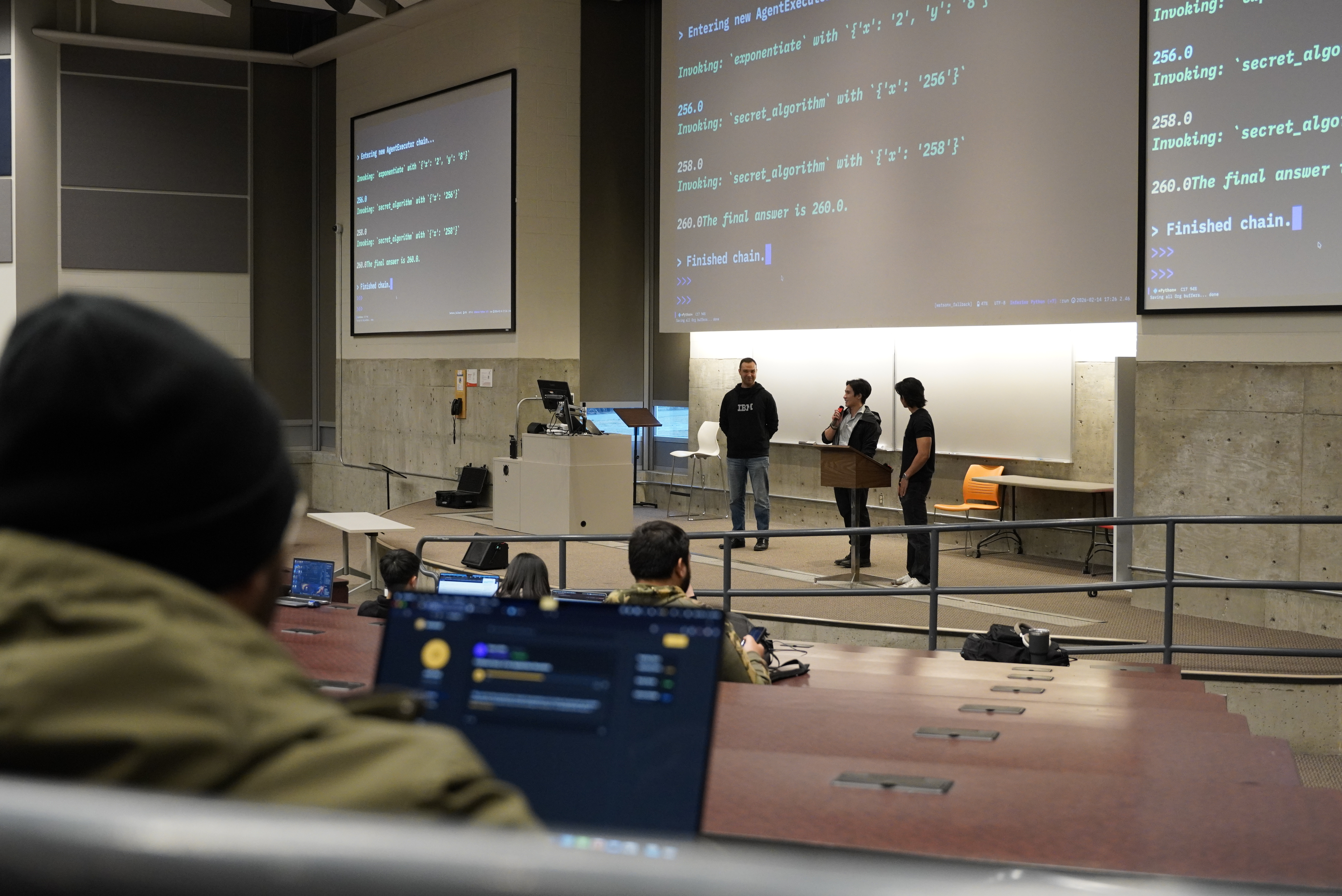
Shad and I ran a workshop on building AI Agents with IBM watsonx.ai for the students, attempting to teach the basic tools required to inference with IBM’s foundation models (LLMs) and build tool-calling agents in Python.
Our goals were straightforward and had practical applications:
- Log in to IBM Cloud and grab some API keys
- Inference with a model and get a response
- Write some tools as python functions for the model to call
- Instantiate a real tool calling Agent!
While the workshop was not without bumps, industry knowledge sharing like this is one of the best parts of a hackathon, giving students a sneak peek at what we do at work and supplying shortcuts for applying enterprise grade tech in their hacks.
Day Two: Judging & Notable Submissions
While judging, I was particularly impressed with a few of the student projects. There were so many projects I did not get to judge at all - 70 or so in total - and the quality of work on display at CalgaryHacks was so good!
Some of my favourites:
Error: Memory Not Found for creating a narrative driven web game where a memory stability bar indicating the degree to which the game world has changed. The past is rewritten under your feet, changing how the other characters react to your actions, in an attempt to simulate memory loss. A technically impressive from-scratch implementation considering the age of the creators!
Animal Court used Socket.IO lobbies and data streaming to produce a visually polished and chill game where people can sharpen their on-the-spot reasoning skills. The frontend was particularly impressive, supporting realtime transcription and streaming of the opposition’s argument as it is spoken!
Canadian Archive for highlighting Canadian history in a digestible and super fun way for young audiences. This idea could certainly be expanded in a minigame-driven way to hold the attention of Fortnite-addicted seven year olds.
Real or AI? had a very slick live demo and a QR code for judges to join and directly use the hack on their phones - this was a very good way to prove they had built a working product.
Aion Archive was the best of the knowledge-archive projects that I judged, integrating a robust version control system for processed data and a wealth of translation and accessibility tools.
Out of Time presented a beautiful pixel-art roguelike platformer in Godot, with one-time-use items and an emphasis on quickly planning with limited resources.
Memory Dismissed was a hand-rolled engine and game in C++ presented in the browser with emscripten. I was overjoyed to see some tough low-level hacking going on. Kudos to Temuujin for capturing 2nd place!
StickyWorld was the only team that arrived with a business plan to sell ads on the platform, and had a great presentation and live demo showcasing their location-based public sticky project. A very useful concept that really should be turned into a product by somebody.
Mind Mirror for excellent presentation of GenAI data. The mind map tab of their program used a set of iterative questions to produce a genuinely useful map of the conversation and potential new directions for the project being discussed. Congrats Harini, Keya, and Shreesha for taking home gold!
Pathway for a very well crafted UI - excellent layout, colors, and UX.
Reflect for attempting to provide a dashboard to grade and represent personal growth over a series of journal entries. This is an idea that I have personally executed myself, and it ought to be a product.
All of the submissions can be found on the DevPost for the event:
Once again - amazing work to all! I wish I could have judged all the projects!
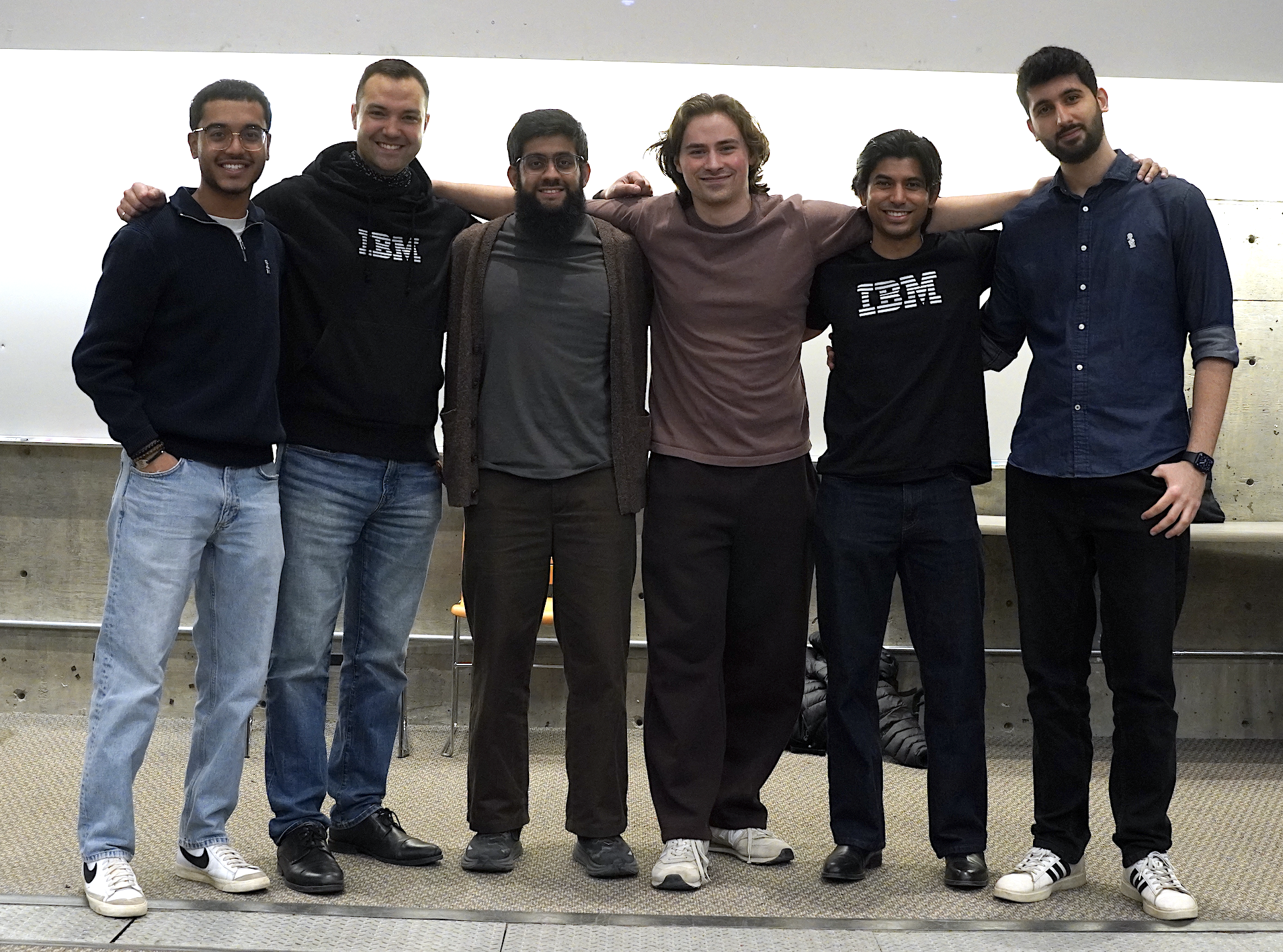
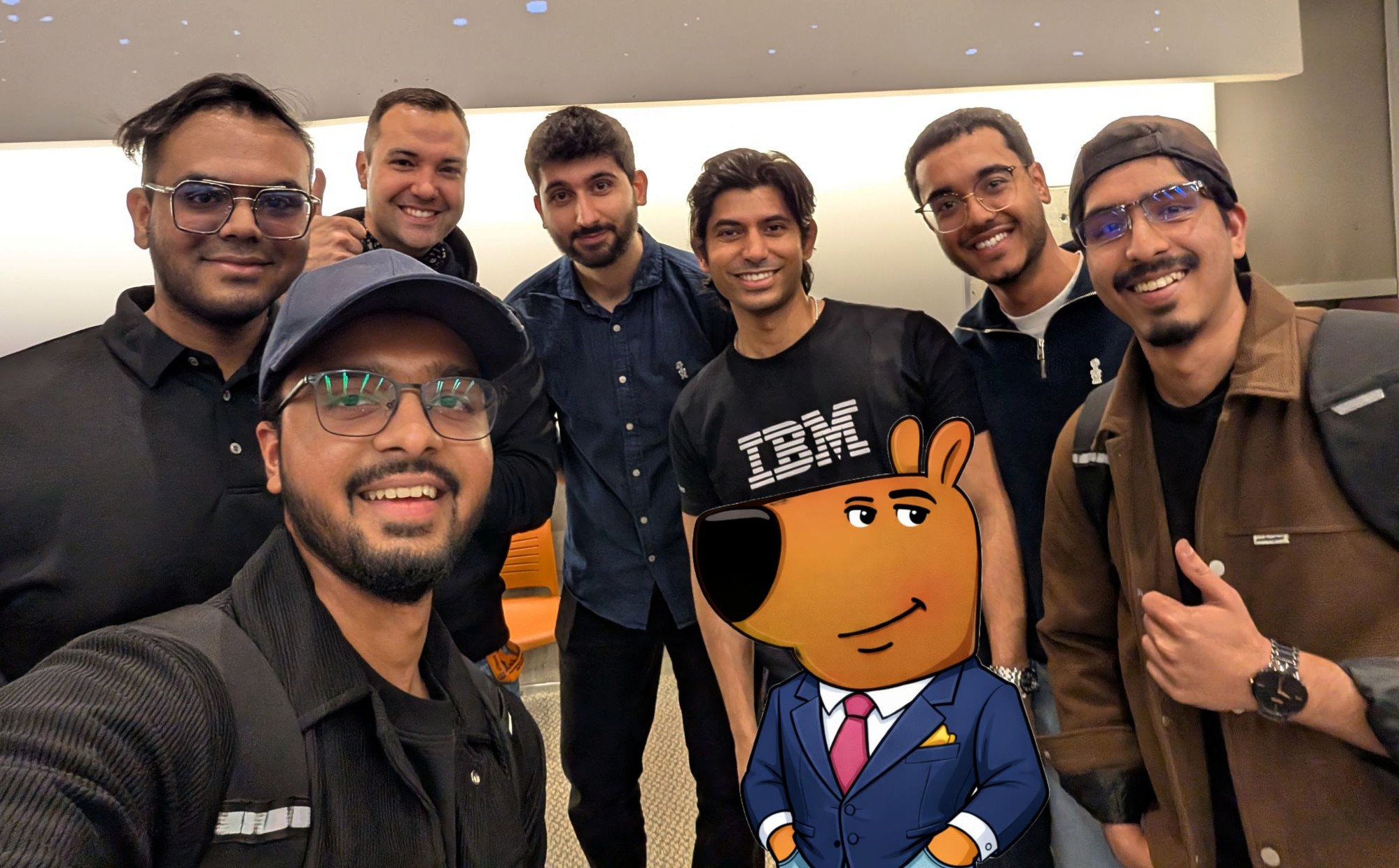
A huge thank-you to my seven IBM colleagues for coming along with me to help the event thrive. I was also glad that many familiar local professionals including Kevin Edey of Calgary Elixir Meetup fame took time to show up and judge as well!
A new addition for the modern era - we were asked to assign a grade based on good or bad LLM use, and whether we thought the students had “vibe coded” the entire project. Honestly, this was tough! Way back in the olden days (2018) we had no GenAI/LLM tools to augment ourselves and extend our fledgling capabilities. The projects back then were rougher, but this made it much easier for real technical talent to shine.
Winners
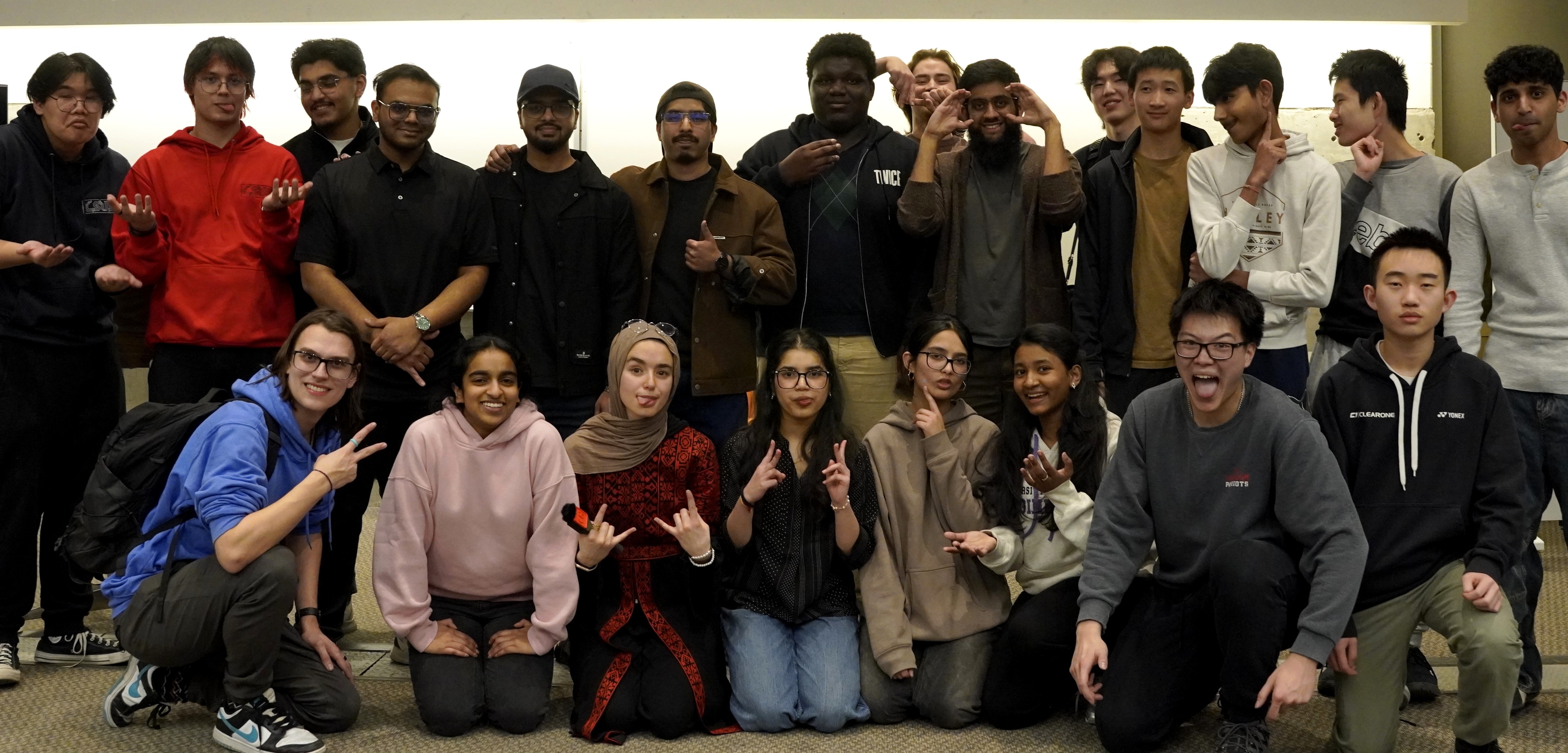
The winning ceremony is always bittersweet - you wish more of the excellent work you judged could be recognized! The wins on show were well deserved, and I was pleased to see three of the projects I had been impressed by win!
Next Year
I implore the tech community in Calgary to rally and further support local events like these. If we as a city want to compete with the hubs in Vancouver and Toronto - and put up a good fight with those Waterloo teams - we must continue to encourage and mentor our local talent. CSUS did an excellent job of hosting, and with many new lessons under their belt, I hope that next year the team can secure many more sponsors, workshops, and stickers!
Thank-you to Kawthar and Syed in particular for your fast response times and patience. Wishing you and the whole CSUS team all the best in your future careers.